
If your dog is constantly licking their paws, it can be both concerning and frustrating to watch.
While occasional grooming is normal, excessive licking often signals an underlying issue that needs attention.
In everyday language, people often use the term “feet” to describe a dog’s paws and lower legs. Anatomically, however, the correct term is paws, which include the pads, toes, nails, and surrounding skin. In this article, we’ll use both terms so it’s easy to understand.
Table of Contents
Dog Excessively Licking Feet: Why It Happens
When a dog is excessively licking their paws, it’s often a sign of an underlying issue rather than just a harmless habit. Common reasons include allergies (environmental or food-related), skin irritation, pain from an injury or foreign object, or even anxiety.
Persistent licking can cause inflammation, infections, or hair loss, so it’s important to identify and address the root cause early.
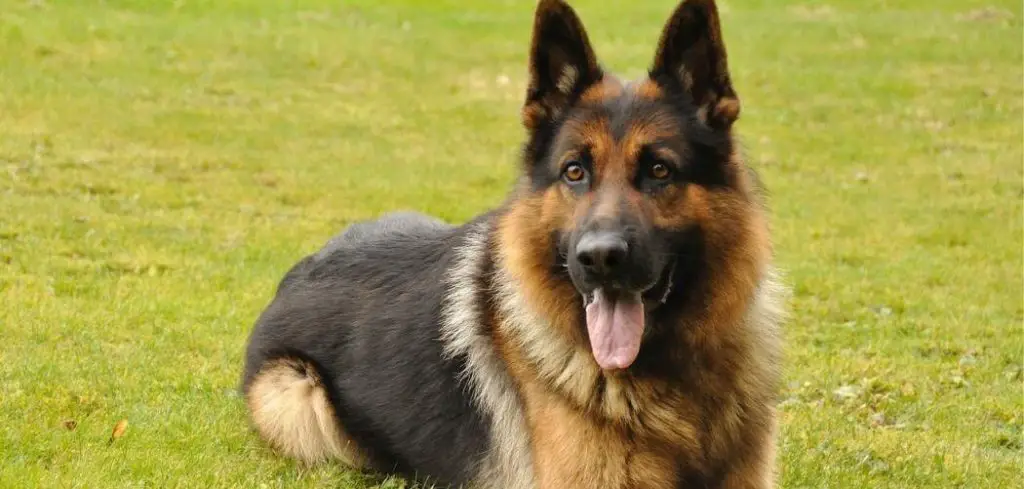
Dog Excessively Licking Feet: Common Causes
Allergies (Environmental or Food-Related)
Allergies are one of the most common reasons dogs lick their paws.
When a dog has environmental allergies—like pollen, grass, dust mites, or mold—the allergens can stick to their paws and trigger intense itching.
Food allergies can also present as skin irritation, often leading to chronic paw licking.
You may notice red, inflamed skin between the toes or around the paw pads.
If untreated, licking can worsen the inflammation, break the skin, and lead to secondary infections.
Read more: Dog Excessively Scratching (When this behavior reveals a deeper issue)
Yeast or Bacterial Infections
Yeast and bacteria naturally live on a dog’s skin, but overgrowth can cause irritation.
A moist environment—like one created by constant licking—can fuel this growth. Infected paws may smell musty or cheesy, appear red, and show signs of swelling.
Dogs with skin folds or allergies are more prone to developing paw infections. Infections cause itching and discomfort, which leads to more licking and a worsening cycle.
Anxiety or Boredom
Dogs under stress or not getting enough mental stimulation may turn to paw licking as a coping mechanism.
This behavior is often repetitive and may occur when they’re alone or during stressful events like loud noises or changes in routine.
Over time, licking can become compulsive and cause self-inflicted injury. You might also observe pacing, whining, or other signs of restlessness.
Left unaddressed, anxiety-driven licking can result in long-term skin damage and behavior issues.
Related: Dog Excessively Licking My Feet (Here’s Why)
Foreign Bodies or Injuries
Sometimes dogs excessively lick a paw because something is stuck in it or it hurts. Thorns, splinters, small cuts, burns, or even insect stings can cause localized pain.
The dog’s instinct is to soothe the discomfort by licking the area. Look closely between the toes and pads for debris, swelling, or wounds.
If the issue is on only one foot, an injury or foreign object is a likely cause.
Fleas or Mites
External parasites like fleas or mites can irritate a dog’s skin, particularly around the feet.
Fleas often bite around the legs and paws, while mites like demodex can burrow into hair follicles.
This can lead to intense itching, redness, and irritation that causes dogs to lick or chew at their feet.
You might notice scabs, hair loss, or even thickened skin in more advanced cases.
A vet can confirm the presence of parasites through skin scrapings or exams.
Dry or Irritated Skin (Including Chemical Exposure)
Some dogs have naturally dry or sensitive skin, which can become worse in dry weather.
Others may have contact irritation from road salt, lawn chemicals, cleaning agents, or rough terrain.
Licking begins as a soothing response to dryness or stinging, but it can damage the skin barrier further.
Paws may appear flaky, cracked, or discolored.
Regular exposure to irritants without rinsing or paw protection can make the problem chronic.
Dog keeps licking paw but nothing there
Even when no visible injury is present, paw licking can be caused by microscopic or internal issues such as yeast or bacterial infections, allergies, nerve irritation, or early inflammation.
Stress, boredom, or compulsive behavior can also lead to repeated licking. If the licking is frequent or focused on one area, there is likely an underlying issue that needs attention.
Old dog excessively licking feet
Excessive foot licking in older dogs is often linked to chronic discomfort or medical conditions.
Arthritis, nerve pain, reduced circulation, allergies, and age-related skin thinning can all trigger this behavior.
Senior dogs may lick their feet to cope with pain or irritation that worsens during rest. Because older dogs heal more slowly and are more prone to infections, persistent foot licking should always be evaluated.
Dog licking one paw excessively
Licking a single paw usually points to a localized problem, such as a minor injury, foreign object, insect bite, joint pain, or early infection.
Dogs often focus on one paw when it is sore, even if the issue is not obvious to the eye. Continued one-sided licking increases the risk of open sores and secondary infection.
Dog constantly licking paws and scratching
When paw licking occurs alongside scratching, allergies are the most common cause. Food sensitivities, environmental allergens, fleas, or mites can all trigger widespread itching.
Constant licking and scratching damage the skin barrier, allowing bacteria or yeast to overgrow. This pattern often indicates a systemic issue, not just a simple habit.
What to Do If Your Dog Is Excessively Licking It’s Paws
Start by gently inspecting your dog’s paws. Look between the toes and pads for anything unusual—debris, swelling, redness, or discharge.
Clean the paws with a pet-safe wipe or mild soap and water to remove potential allergens or irritants.
If allergies are suspected, try an elimination diet or limit environmental exposure where possible.
Providing interactive toys, more exercise, and puzzle feeders can help reduce anxiety or boredom-related licking.
For mild dryness or irritation, paw balms can soothe and protect the skin. Keep nails trimmed and fur between the pads short to prevent debris from sticking.
Use an Elizabethan collar (cone) only if necessary to stop licking while healing.
When should I worry about my dog licking his paws?
You should be concerned if paw licking is frequent, intense, or persistent, or lasts more than a few days.
Licking that disrupts sleep, worsens over time, or does not improve within a few days warrants veterinary evaluation. Early intervention helps prevent infections, chronic pain, and long-term skin damage.
If you see signs of infection—like swelling, redness, pus, odor, or limping—your dog likely needs medical treatment.
Also call your vet if your dog is licking multiple feet or has other symptoms like hair loss, diarrhea, vomiting, or behavior changes.
Allergies, infections, and parasites require diagnosis and targeted treatment to resolve the root cause.
Behavioral causes like anxiety or compulsion may benefit from professional training, lifestyle changes, or medication.
Read more: Dog Excessively Thirsty (What this might mean)
Key Takeaway
Excessive paw licking in dogs is rarely just a quirk—it’s often a sign of discomfort or an underlying issue.
From allergies and infections to anxiety and injuries, there are many reasons your dog might be obsessively licking their feet.
Start by examining the paws and making small changes at home, but don’t hesitate to contact your vet if symptoms persist.
With proper care and diagnosis, most paw-licking problems can be resolved or well managed.
Your dog deserves comfort—and clean, healthy feet.